






Why Choose Us
Professional Technical Team
Relying on the mature experience of more than 40 years of engineering machinery manufacturing of our team, Laigong has established and passed the ISO9001 international quality system certification, ISO14001 environmental certification, CE, EAC, SGS, and has independent research and development capabilities of high-tech products.
Our Products
Our main products range are mini wheel loader, mini excavator, self-loading mixer, dumper and tricycles. To fit the demands of our dealers and customers, we also extended our product range to CE wheel loader, telescopic loader, backhoe loader, big excavator in 2020.
Production Market
As a famous brand and top 5 sales quantities in our industry, Laigong products served over 200,000 users both at China and abroad. Till end of 2023, Laigong has over 400 dealers in China domestic and over 80 dealers in Russia, South East Asia, Central Asia, Europe, South America, Africa etc. The annual export of machinery exceeds 40000 units.
Excellent Customer Service
We provide long-term consultation as well as warranty by our highly competent and skilled technical personnel. Consistent administration of users' files, and friendly, patient and attentive technical consultancy is our promise. Users' training sessions and symposiums are conducted on a regular basis.
What is Diesel Forklift
A diesel forklift is a type of forklift that runs on diesel fuel, a heavy-duty fuel commonly used in industrial machinery. Diesel forklifts are equipped with powerful internal combustion engines, which makes them suitable for heavy lifting and outdoor operations. These forklifts are designed for rugged environments and are commonly used in industries such as construction, logistics, and manufacturing.


Advantages of Diesel Forklift


Superior Lifting Power
The basic advantage of diesel engines is their high torque output. This gives diesel forklifts significantly more lifting capacity for the size and weight compared to the alternatives. As such, diesel equipment is ideal for heavy-duty industries such as construction, manufacturing, or shipping, where large, bulky loads are commonplace and must be moved efficiently.
Fuel Efficiency
With close to a century and a half of continuous optimisation, today’s diesel engines can be very fuel efficient. When you also consider the relatively low price and ubiquity of diesel fuel, diesel forklifts become quite attractive for operations with limited resources.
Can Run Almost Continuously
The efficiency of modern diesel forklifts also means they can run for longer periods on a single tank of fuel compared to their propane and petrol counterparts, which reduces downtime required for refueling. This advantage is even more evident versus electric forklifts, which need to be parked and charged for several hours to cover a shift. So long as there’s fuel in the tank, a well-kept diesel forklift will keep running. This makes diesel models excellent choices for logistics and manufacturing businesses that need to operate around the clock with minimal interruptions.
Durability and Ruggedness
Because of their tough builds, resilience to extreme temperature variations, and easier access to diesel fuel, diesel forklifts are often the only practical choice for many outdoor operations or harsh environments. Additionally, the high torque provided by diesel engines also makes them the preferred power source for forklifts that must navigate uneven ground, inclines, or rough terrain. Even in less challenging environments, their durability ensures they have a long operational lifespan, making them a cost-effective investment for many businesses.
Lower Maintenance and Ownership Costs
Compared to the alternatives, diesel engines generally enjoy longer maintenance cycles and tend to require less complex fixes when problems do occur. Even when a diesel forklift experiences a serious failure, special expertise is rarely required and the needed parts are usually easier and cheaper to repair or replace. All of these benefits contribute to a lower overall cost of ownership over time.
Less Need for Special Infrastructure
Remote areas may not necessarily have suitable charging infrastructure or even a steady supply of petrol and propane, but there is almost certainly diesel available in any small to midsize town. What’s more, diesel engine parts can be sourced affordably from virtually anywhere in the world, simplifying routine maintenance and repairs.
2.5 Ton Diesel Forklift
2.5 ton diesel forklift is featuring a minimalist aesthetic, this vehicle boasts an elegant and aesthetically pleasing exterior. Its high-top, large-diameter air intake system design serves to shield the engine from dust, optimizing its performance and durability. With a focus on stringent environmental considerations, it ensures maximum efficiency while minimizing ecological impact.
3 Ton Diesel Forklift Balance
3 ton diesel forklift balance have clean and understated design, this vehicle exudes elegance and charm. The innovative high-top, large-diameter air intake system not only safeguards the engine against dust but also enhances its performance and longevity. Built with environmental sustainability in mind, it adheres to strict standards to minimize its carbon footprint.
New Diesel Forklift 4 Ton
Radiating a sense of effortless sophistication, this new diesel forklift 4 ton features a clean and refined exterior aesthetic. Its high-top, large-diameter air intake system design is engineered to safeguard the engine from dust, thereby enhancing performance and durability. With a strong commitment to environmental responsibility, it adheres to stringent standards for sustainable operation.
5 Ton Diesel Forklift
The appearance design of the 5-ton diesel forklift is simple and elegant. At the same time, it is equipped with our patented technology: a high top large diameter intake system, which can protect the engine from dust pollution while extending maintenance intervals. Achieve optimal performance and durability.
7 Ton Diesel Engine Forklift Truck
Highlighting its modern and refined appearance! Equipped with a high-top large-diameter air intake system, 7 ton Diesel engine forklift truck maximizes engine efficiency by shielding it from dust, enhancing its longevity. Furthermore, our rigorous environmental standards make it an eco-conscious selection.
Application of Diesel Forklift
Diesel forklift trucks have become a cornerstone of modern warehousing operations. Their ability to lift heavy loads to great heights makes them invaluable for stacking goods in vertical storage systems. Moreover, these trucks are equipped with excellent maneuverability, allowing operators to navigate through narrow aisles and maximize storage capacity. In addition to their stacking capabilities, diesel forklift trucks excel in loading and unloading material from delivery vehicles, ensuring a swift and streamlined logistic process. Their adaptability makes them a popular choice for fulfilling the material handling needs of large distribution centers, where efficiency and precision are paramount.
The construction and manufacturing sectors demand robust machines capable of handling heavy materials and equipment. Diesel forklift trucks are perfectly suited for these industries, as they can effortlessly transport construction materials, machinery, and other heavy components across site locations. Their ability to operate in challenging terrains and withstand harsh conditions makes them an asset in construction sites. Whether it is lifting and moving steel beams or transporting concrete blocks, diesel forklift trucks provide unparalleled strength and agility, streamlining material handling processes and minimizing downtime.
In the agriculture and farming industry, diesel forklift trucks have revolutionized the way goods are handled. From transporting feed and fertilizers to loading and unloading crops and equipment, these machines have made agricultural operations more efficient and productive. Their versatility extends to navigating bumpy terrains, ensuring smooth material handling across farms and fields. Diesel forklift trucks can easily maneuver through agricultural settings, making them an ideal choice for handling large quantities of produce, equipment, and supplies. The versatility of diesel forklift trucks in material handling is undeniable. Their exceptional power, durability, and adaptability have made them an indispensable asset in industries ranging from warehousing to construction, manufacturing, and agriculture. With their ability to lift heavy loads, navigate narrow spaces, and withstand demanding conditions, diesel forklift trucks have become a powerful solution for efficient material handling.
Diesel Forklifts Vs. Electric Forklifts
Two of the most common types of forklifts are diesel and electric. While they both essentially do the same job — lifting and transporting heavy loads — diesel and electric forklifts are intended for different applications and have some significant characteristic differences. The most obvious difference is that diesel forklifts are powered by diesel fuel and electric forklifts are powered by a battery.
Diesel forklifts are also larger and more powerful. Because they run on diesel fuel, they release exhaust fumes during operation. The carbon dioxide emissions make diesel forklifts ideal for outdoor use. While they can be used indoors with adequate ventilation, they’re generally designed for outdoor use and rough terrain. Diesel forklifts are durable and can withstand harsher conditions, often found on construction sites to move heavy materials and supplies.
Electric forklifts are compact and can easily maneuver tight spaces, small turns, and corners, making them ideal for indoor use. Because electric forklifts run on battery power, they’re quieter and more environmentally friendly, and they don’t release harmful emissions. They have fewer moving parts and can be recharged. Electric forklifts are commonly used in warehouses where pallets of products need to be maneuvered between storage shelves and other equipment.
9 Tips for Saving Fuel When Operating a Diesel Forklift
Avoid sudden acceleration or braking
Sudden acceleration and deceleration will require up to 40% more fuel consumption than usual. Besides, in a very short period of time, the engine cannot burn this fuel thoroughly, leading to an increase in emissions up to 5 times, causing environmental pollution. It can also lead to unintentional work accidents. Therefore, the driver needs to take advantage of the truck’s inertia, determine where to go and go first, and then slowly accelerate and decelerate.
Maintain standard tire pressure
Under-inflated tires will cause the forklift to consume about 6% more fuel, which is due to the increased friction with the road surface. In addition, worn tires that exceed the specified standards can also consume about 0.4% of the fuel, although not too much, but in the long run, it can affect related accessories such as rims, butts, bearings … reduce operating efficiency, even cause danger to the operator, pedestrian and even the goods.
Operate the forklift at medium speed
Forklift operation should be stable, avoid repeated braking, emergency braking, continuous acceleration and deceleration to reduce fuel consumption. It is recommended to let the forklift operate regularly at 80% throttle.
Reduce braking
Frequent and continuous use of the brake not only causes brake pads and wheels to wear quickly, but also increases fuel consumption. Therefore, customers should reduce the use of brakes, instead, you can slowly drift the forklift to the position you want to stop.
Maintain forklift periodic maintenance
The engine is the most important part of a forklift truck, whether it works well or not is largely dependent on the engine. Customers need to pay attention to periodic maintenance of the truck, check whenever there are abnormal signs, and do not forget to check the hydraulic pump system. This step helps the forklift operate stably, save fuel and prolong its life.
Do not handling overloaded goods
Each type of forklift has its own capacity which is specified by the manufacturer. Overloading should not cause the engine to work at its maximum capacity, which consumes more fuel, wears out tires faster, and poses a risk of unsafe for both operator and goods.
Obey the speed limit
Similar to load regulations, forklifts also have speed limits. Driving at a speed exceeding the regulations also causes fuel consumption, reduces engine life, and is dangerous in the working environment.
Use the right engine oil
Diesel forklift trucks need to use the same suitable engine oil to work smoothly and save fuel. Normally an engine oil product with a viscosity of 50 will be used for diesel forklifts, but when the forklift is operating in harsh climatic conditions, high temperatures, this index can be up to 60.
Keep the air filter clean
Some experts say keeping the air filter clean can save up to 10% on materials. Operators need to regularly check, clean, avoid dust, and consider replacing new filters when necessary.
How Much Diesel Does a Diesel Forklift Use per Hour?
On average, a standard forklift consumes over 2.5 liters of diesel per hour. Depending on the size of the engine, a diesel forklift can generally operate for about six to eight hours straight on a full tank. To make a single tank last longer and cut down on fuel consumption, be sure to shut the machine off when it’s not in use, gradually accelerate, and keep up with maintenance.
The amount of diesel a forklift consumes in an hour varies depending on factors like the make, model, and engine size. Newer models tend to have more efficient fuel consumption. Larger engines will naturally consume more diesel than smaller engines, and every brand designs its equipment with different characteristics.
Diesel forklifts are often considered more efficient than other types of forklifts. For example, many electric forklifts have an eight-hour battery life between charges. However, that battery life can deplete as the work gets more strenuous. An electric forklift operating at full capacity over long periods may run out of battery sooner than a diesel forklift operating at full capacity would run out of fuel.
7 Common Diesel Forklift Problems and How to Avoid Them
Not Starting
A forklift that won’t start is a frustrating problem that requires immediate attention. If the forklift is an internal combustion engine (ICE) model that runs on diesel, the issue could be as simple as an empty fuel tank that needs refilling. Electrical products may require a recharge or have a faulty battery.
Regular service is crucial for preventing these issues. It’s also helpful to remind operators and technicians to check the fuel supply or connect the battery to the charger between work shifts.
Overheating Engines
An overheated engine is one of the more common forklift hazards in diesel and other ICE units. Excessive heat causes the engine oil to burn faster. A broken or blocked radiator is often the cause — dirt and debris can accumulate over time and block the ports, causing a temperature increase and an eventual breakdown.
A regular check of the radiator and coolant is an essential step for preventing overheating. Cleaning it with fresh, clean water will remove caked-on dirt that can accumulate quickly, especially at outdoor job sites.
Worn or Damaged Tires
Forklifts can have air-filled or solid pneumatic tires ideally suited for outdoor environments like lumber yards or construction sites. They could also have cushion tires that deliver the best results on warehouse or manufacturing plant floors or smoother outdoor surfaces like concrete or asphalt.
As these tires must bear heavy loads for many hours a day, they can wear out quickly — or flatten in the case of air-filled versions — posing a significant safety risk. Operators and service technicians should check the tire condition frequently and replace them when necessary.
Steering Issues
When you consider that this equipment must lift and transport loads weighing thousands of pounds, a forklift that doesn’t handle or steer correctly can present a dangerous situation.
A low level of steering fluid transmission is a common cause of forklift maneuverability issues — an impeded flow will impact the operator’s ability to change directions on command. Improperly aligned wheels can also affect the equipment’s handling.
Operators should report steering issues to the maintenance team as soon as possible to prevent a potentially severe job site accident.
Mast Problems
Since the mast is responsible for raising and lowering a forklift’s load, keeping it in peak condition is paramount.
If the mast isn’t functioning properly, check the hydraulic fluid level and top it off if needed. If this step doesn’t resolve the issue, a chain replacement may be necessary. You should also elevate the mast to its full height and check each section for signs of rust, cracking, stretching, misalignment or other damage. Faulty switches or battery issues are also common mast performance issues.
Fluid Leaks
Check the space you park and store your forklift for signs of fresh fluids from the engine, radiator or hydraulic systems. A leak can result from something simple like a loose clamp or damaged hose that is easily detectable and correctable. Your preventive maintenance program should include regularly inspecting these vulnerable areas and promptly replacing worn or damaged parts.
Check Engine Light Glowing
Like private passenger cars and trucks, most newer forklift models have dashboard warning lights that flash or glow to indicate a potential problem. The specific issue may not be obvious — it typically requires an experienced service technician with the appropriate diagnostic tools to pinpoint the issue. This individual should also be familiar with the forklift make and model.
Regular Inspections
Regular inspections are crucial to identify any potential issues before they become major problems. Inspect the forklift before each use and conduct a more thorough inspection weekly or monthly. Check the tyres, brakes, steering, and hydraulic systems, as well as the engine, transmission, and exhaust system. Look for signs of wear and tear, leaks, loose bolts, and damaged parts. Replace any worn or damaged parts immediately. Booking your forklift in for the required amount of services throughout the year is also advised.
Oil and Filter Changes
Regular oil and filter changes are essential for the proper functioning of the engine. Check the manufacturer’s recommendations for the frequency of oil and filter changes, as they may vary based on the forklift’s usage and operating conditions. Use the recommended type and grade of oil and filter and dispose of the old oil and filter properly.
Fuel System Maintenance
The fuel system is another critical component of a diesel forklift truck. Check the fuel tank, lines, and filters for any signs of damage or leaks. Replace any damaged or clogged filters and keep the tank clean to avoid contamination. Proper fuel system maintenance can prevent costly repairs and improve fuel efficiency.
Battery Maintenance
If your diesel forklift truck has a battery, proper maintenance is crucial to extend its life and avoid downtime. Check the battery and cables for any signs of corrosion or damage and clean them regularly. Make sure the battery is fully charged before each use and avoid overcharging or undercharging it. If the battery is damaged or no longer holds a charge, replace it immediately.
Cleaning and Lubrication
Regular cleaning and lubrication can prevent rust, corrosion, and wear and tear. Wash the forklift regularly with a pressure washer or a hose and a mild detergent and dry it thoroughly to avoid water damage. Lubricate the moving parts, such as the chains, forks, and mast, with the recommended grease or oil to reduce friction and prolong their lifespan.
Safety Precautions
Diesel forklift trucks can be dangerous if not operated and maintained properly. Make sure all employees who operate the forklift are trained and certified and follow all safety regulations and guidelines. Use personal protective equipment, such as gloves, eye protection, and steel-toed shoes. Keep the forklift clean and free of clutter and avoid overloading or exceeding the maximum load capacity
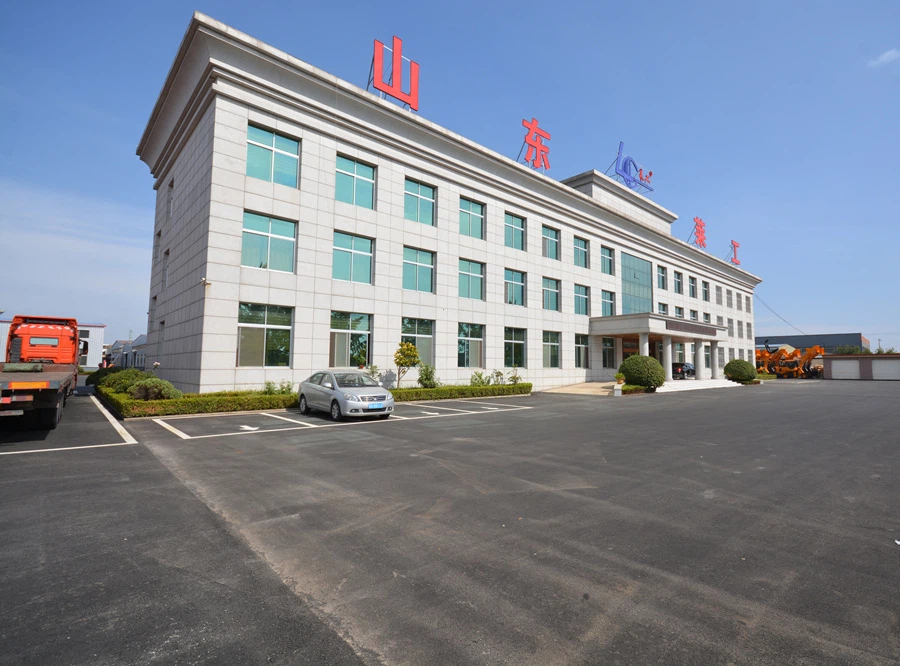
Our main products range are mini wheel loader, mini excavator, self-loading mixer, dumper and tricycles. To fit the demands of our dealers and customers, we also extended our product range to CE wheel loader, telescopic loader, backhoe loader, big excavator in 2020. As a famous brand and top 5 sales quantities in our industry, Laigong products served over 200,000 users both at home and abroad. Till end of May, 2020, Laigong has over 400 dealers in China domestic and over 20 dealers in Russia, South East Asia, Central Asia, Europe, South America, Africa etc.

Ultimate FAQ Guide to Diesel Forklift
As one of the leading diesel forklift manufacturers and suppliers in China, we warmly welcome you to buy durable diesel forklift for sale here from our factory. All customized products are with high quality and competitive price.
7 ton diesel engine forklift truck, 4 wheel counterbalance forklift, 2 5 ton diesel forklift