






Why Choose Us
Professional Technical Team
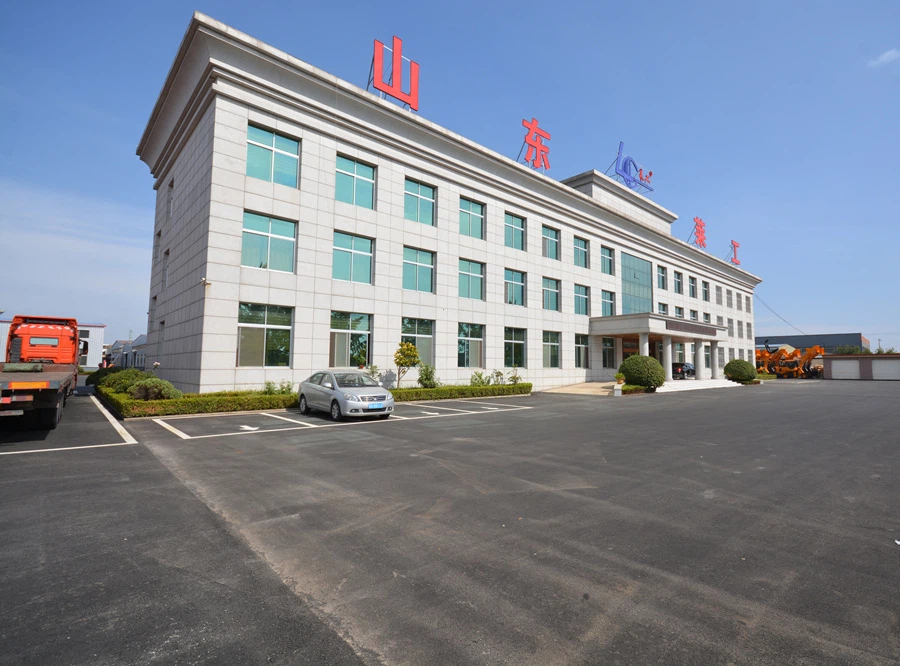
Relying on the mature experience of more than 40 years of engineering machinery manufacturing of our team, Laigong has established and passed the ISO9001 international quality system certification, ISO14001 environmental certification, CE, EAC, SGS, and has independent research and development capabilities of high-tech products.
Our Products
Our main products range are mini wheel loader, mini excavator, self-loading mixer, dumper and tricycles. To fit the demands of our dealers and customers, we also extended our product range to CE wheel loader, telescopic loader, backhoe loader, big excavator in 2020.
Production Market
As a famous brand and top 5 sales quantities in our industry, Laigong products served over 200,000 users both at China and abroad. Till end of 2023, Laigong has over 400 dealers in China domestic and over 80 dealers in Russia, South East Asia, Central Asia, Europe, South America, Africa etc. The annual export of machinery exceeds 40000 units.
Excellent Customer Service
We provide long-term consultation as well as warranty by our highly competent and skilled technical personnel. Consistent administration of users' files, and friendly, patient and attentive technical consultancy is our promise. Users' training sessions and symposiums are conducted on a regular basis.
What is All-Terrain Forklift
All-terrain, or rough-terrain, lift trucks are specifically designed to operate in rugged, rough environments, like graveled or rocky surfaces. The standard counterbalance forklifts that are used in warehouses are not engineered to be used in rough-terrain environments. All-terrain forklifts have the right tires and other specifications that enable them to transport many types of heavy loads over a range of rough and tough terrains.


Advantages of All-Terrain Forklift


Better Tires
One of the most noticeable differences between a normal forklift meant for indoor warehouse duty and an all-terrain forklift is the tires. Rough-terrain truck lifts must operate on harsh surfaces like gravel, dirt, or sand; typical forklift tires would struggle on such surfaces. All-terrain forklifts come with special, heavy-duty tires with deeper grooves for enhanced traction and durability in even the toughest environments. There are two types of tires for rough-terrain truck lifts: solid pneumatic tires that are puncture-proof and foam/air-filled pneumatic tires that are not as durable but can work indoors and in most outdoor applications.
Diesel Engine
While classes one through three of forklifts are battery-powered electric truck lifts, all-terrain forklifts need a bit more muscle and power and are therefore equipped with diesel engines. The greater power output of the diesel engine in rough-terrain forklifts gives them greater acceleration and power to get the job done in more difficult circumstances than typical forklifts. The diesel engine is also convenient for forklift operators that use the truck lift for applications like construction, roadwork, or agriculture and operate in rural or isolated areas away from an electrical power source. While an electric forklift typically has a battery life of eight hours, a diesel forklift can keep running as long as it has enough fuel.
Greater Traction and Control
Rough-terrain forklifts also have the advantage of an optimized drivetrain for greater traction and control on uneven and rugged surfaces. Most standard forklifts for indoor and warehouse use are rear-wheel drives. All-terrain forklifts can’t rely on the comfortable working conditions that most truck lifts see, so most are either front-wheel drive with a four-wheel drive option or all-wheel drive. With the available drivetrain options, all-terrain forklifts can rough it over the toughest terrain without worrying about getting stuck in the mud, sand, or gravel.
Increased Ground Clearance
Another way that all-terrain forklifts are different from typical truck lifts is their increased ground clearance. A rough-terrain forklift may have to scale steep crests and hills when working in an outdoor environment like a construction site or roadwork site, and if it doesn’t have sufficient ground clearance, it can get stuck or damaged quickly. All rough-terrain forklifts offer greater ground clearance to avoid bottoming out—typically around a foot of clearance, while most forklifts have just four inches. The extra ground clearance also helps the truck lift’s balance and improves traction in slick and tough terrain.
More Attachment Options
Rough-terrain forklifts also have numerous attachment options and modifications available for operators who need to change the typical forks for a different application. All-terrain forklift attachments are especially useful for construction sites and other environments where a forklift is required to perform multiple duties. Buckets for telehandler forks allow operators to easily move materials like dirt, sand, and gravel for transportation or site clean-up. Carriage attachments for all-terrain forklifts allow operators to efficiently handle awkwardly shaped loads for handling equipment and various materials. Whatever you need to get the job done, there’s likely a forklift attachment available to help.
Less Maintenance Required
Another benefit of choosing an all-terrain forklift is that they’re much more durable than other truck lifts and often require much less maintenance and repairs. If a forklift breaks down during work, it can halt the entire operation while parts are repaired or replaced, so operators in tough environments want the most durable truck lifts available. Rough-terrain forklifts are built to withstand the most punishing conditions and difficult work environments without breaking down.
Types of All-Terrain Forklift
Vertical Mast All Terrain Forklift
A vertical mast all terrain lift is designed with two large tires at the front of the machine with two smaller tires at the rear. It is ruggedly built to be used primarily outdoors on natural or uneven terrain. Because all terrain vertical mast forklifts are larger and made to handle heavier loads than vertical mast counterbalanced forklifts (classes 1, 4, and 5), they require more space to operate as well as a sturdy surface that offers substantial support. Operators need to always be wary of soft, muddy ground. All workers need to be trained to operate all terrain vertical mast forklifts to learn about safe load handling and load weight-to-lift height capabilities.
Variable Reach All Terrain Forklift
This type of all terrain lift is vehicle-mounted and fitted with a telescopic boom lift, which allows this machine to pick up and transport loads at various distances and heights. The boom can reach out directly in front of the forklift, and it can be extended to raise directly above it. Variable reach all terrain forklifts were originally built for residential and commercial masonry trades. This machine is designed with a low stowed height to allow for superior maneuverability thall entryways. Due to the presence of the boom lift, this machine is considered a partially loaded truck even without a load on the attachment. Workers need to be trained in proper load management before operating this forklift.
Truck/Trailer Mounted All Terrain Forklift
A truck or trailer mounted all terrain lift is a portable, self-propelled design that is most often transported to a work site. This forklift is mounted on a carrier which is attached to the back of the truck or trailer and is used to unload heavy loads from the truck or trailer. It can be used on natural, unimproved outdoor terrain and disturbed terrain on a work site, but it is important to note that not all truck or trailer mounted forklifts are considered to be all terrain. Forklift certification training covers the various types of truck/trailer mounted forklifts and their primary differences.
Construction Sites
One of the primary applications of all-terrain forklifts is in construction sites. These forklifts excel in navigating uneven ground, gravel, dirt, and other rough surfaces commonly found in construction zones. They are indispensable for lifting and transporting construction materials like lumber, steel beams, pallets of bricks, and other heavy items across uneven terrain.
Landscaping and Agriculture
In landscaping and agriculture, all-terrain forklifts play a vital role. They are used to transport bulk materials such as mulch, soil, and plants over unpaved surfaces and through rough outdoor landscapes. These forklifts are also employed in orchards, nurseries, and vineyards for moving crops, harvesting equipment, and other agricultural supplies.
Forestry Operations
Forestry operations benefit greatly from all-terrain forklifts. These machines are adept at maneuvering through wooded areas, allowing them to handle timber, logs, and other forestry products efficiently. All-terrain forklifts are crucial for loading and unloading trucks in logging yards and navigating challenging forest terrain.
Mining and Quarries
In mining and quarry environments, where conditions are often harsh and uneven, all-terrain forklifts are essential for material handling tasks. They are used to transport heavy loads such as rocks, ores, and equipment across rugged landscapes, contributing to the efficiency of mining operations.
Oil and Gas Industry
All-terrain forklifts find applications in the oil and gas sector, particularly in remote locations and on offshore platforms. These forklifts assist in moving heavy equipment, pipes, and supplies across challenging terrains encountered in oil fields and drilling sites.
Event Management
For outdoor events and festivals held in open fields or parks, all-terrain forklifts are employed to transport event infrastructure such as stages, tents, seating, and equipment. Their ability to navigate varied terrains makes them valuable assets for event setup and logistics.
Emergency Response and Disaster Relief
During emergency response and disaster relief efforts, all-terrain forklifts are utilized to transport essential supplies and equipment in disaster-stricken areas where conventional vehicles may struggle to operate effectively. Their mobility and lifting capacity aid in clearing debris and providing support in relief operations.
When operating a forklift, drivers need to exercise plenty of caution. Just because these forklifts are meant to withstand rough conditions doesn't mean you shouldn't treat them with care. Improper operation of an outdoor forklift can quickly result in the machine tipping over. Like with indoor lifts, operators should raise heavy materials when the forklift is on a stable and steady surface. Trained forklift operators know that being able to identify stable ground is absolutely necessary for safely using a all-terrain forklift. Having a good understanding of how to carry a load is also important. The government agency that regulates how outdoor forklifts are safely operated is the Occupational Safety and Health Administration. This agency teaches forklift operators that they should drive at safe speeds at all times. The agency, however, doesn't set specific speed limits. A forklift driver must be able to determine a safe speed limit on their own. They do this by paying attention to the personnel that is in the location, load stability, surface conditions, and other machines that are operating in the area. Anyone who operates a all-terrain forklift should wear earplugs, safety glasses, a hard hat, and a seatbelt. All-terrain forklifts commonly utilize internal combustion engines, so the machines may need to be refueled every so often. Those who operate these machines must take into consideration the different hazards that are associated with the type of fuel. This includes propane, diesel, and gasoline. Whenever refueling a all-terrain forklift, the operator should have a fire extinguisher nearby.
Choosing the Best All-Terrain Forklifts for Your Business
Know Your Loads
The all-terrain forklift you choose must handle the size of load it is required to carry out. The loading capacity ranges from one to three tons, ideal for taking most materials that need to be transported across rough surfaces. You may also want to consider buying if this is what your business requires. Are they lifting a load at around a meter from the ground? Consider rough-terrain scissor lifts as they can easily lift loads between one and two meters.
Know The Terrain You Will Be Operating In
When it comes to rough terrain, you will need to consider the ground surface, the incline of the area, and the weight of your load. In addition, you must choose a all-terrain forklift that has four drive wheels for increased stability when carrying a load. Make sure that any forklift you choose has a large stable platform so that workers can stand on a solid base while operating it. This platform must also have optimum protection from flying debris not to cause any injuries.
Choose Your Mast Reach
If you operate in rough terrain, consider rough-terrain forklifts with telescopic booms for increased reach and flexibility in transporting materials over rough areas. This rough terrain lift has a single mast for lifting loads between one and three meters high. When choosing this rough terrain lift, you may also need to choose between 300mm or 400mm mast extensions.
Type Of Forklift
Depending on what all-terrain forklift you choose, you may have to consider the type of forks it uses. For all-terrain forklifts, make sure that your all-terrain forklift has 30 x 45mm tines to avoid causing any damage when transporting loads across rough areas. This rough terrain lift is ideal for carrying materials over rough terrains.
Different All-Terrain Forklifts for Different Applications
This heavy-duty all-terrain forklift has two sets of drive wheels, which means that it will have better stability when carrying materials across bumpy ground. In addition, this all-terrain forklift can carry loads up to five tons and operates at a maximum speed of 25km/h, which makes it ideal for rough terrain lift applications that require high speeds. This all-terrain forklift is designed with a single mast with an adjustable length to allow the operator to adjust the reach of this all-terrain forklift according to what they are transporting over the bumpy ground surface.
Know The Types Of Materials You Will Be Transporting
When choosing between materials you will be transporting, you can select all-terrain forklifts, rough terrain scissor lifts, and rough terrain straddle carriers. For example, choose a forklift when carrying items over rough areas and use a rough terrain scissor lift when transporting loads between pallets to pick applications. Choose a rough terrain straddle carrier when you want to move longer items such as steel drums or wood planks across the bumpy ground.
8 Harsh Environment All-Terrain Forklift Maintenance Tips
Tip #1: Do a Pre-Operation Inspection
Before operating a all-terrain forklift in harsh conditions, conduct a thorough pre-operation inspection.
Check the tires for cuts or excessive wear, ensure forks are straight and free of cracks, verify that brakes respond promptly, and inspect hydraulic systems for leaks or damage. This proactive approach can prevent accidents and costly repairs.
Tip #2: Follow a Regular Maintenance Schedule
All-terrain forklifts used in harsh environments may require more frequent maintenance than those used under normal conditions. Consult the manufacturer’s maintenance schedule as a starting point, but adjust it based on real-world experiences to create a all-terrain forklift maintenance checklist that suits your needs. Pay special attention to parts most affected by your specific environment, such as filters in dusty conditions or hydraulic systems in cold climates.
Tip #3: Regularly Clean and Lubricate
Regular cleaning helps prevent the buildup of materials that can damage your all-terrain forklift. Use appropriate cleaning methods for your environment, such as pressure washing for mud or dust, and neutralizing agents for corrosive substances. Follow up with proper lubrication to protect moving parts from wear and corrosion.
Tip #4: Care for Your Battery and Electrical System
In extreme conditions, battery and electrical systems require extra care. Perform regular all-terrain forklift battery maintenance checks. Keep battery terminals clean and check for corrosion, ensuring that all connections are secure. Protect electrical components from moisture and dust, which can lead to short circuits or other failures.
Tip #5: Inspect Tires and Undercarriage
Background of a lot of all-terrain forklifts, reliable heavy loader, truck
Tires must be inspected regularly for signs of damage, such as cuts or embedded objects, especially when operating on rough terrain. The undercarriage should also be checked for debris that could hinder movement or damage components. Regular inspections and maintenance will help avoid unexpected downtime.
Tip #6: Oversee Training and Awareness
Operators should be trained not only on how to use all-terrain forklifts but also on how to maintain them under harsh conditions. A well-informed team can recognize early signs of wear and tear, preventing minor issues from becoming major problems. Foster a maintenance-minded culture among your workforce to keep your equipment and operators safe.
Tip #7: Leverage Technology
Modern technologies, such as diagnostic software and fleet management systems, can be invaluable in monitoring the health of your all-terrain forklifts. These tools can provide real-time data on vehicle performance, predict maintenance needs, and help manage the maintenance schedule more effectively.
Tip #8: Prioritize Safety Features and Ergonomics
Never overlook the all-terrain forklift’s safety features. Ensure that lights, horns, and backup alarms are fully functional. Consider the ergonomics of operating a all-terrain forklift in harsh conditions and make adjustments to reduce operator fatigue, such as installing more comfortable seating or climate controls in cabins.
Our main products range are mini wheel loader, mini excavator, self-loading mixer, dumper and tricycles. To fit the demands of our dealers and customers, we also extended our product range to CE wheel loader, telescopic loader, backhoe loader, big excavator in 2020. As a famous brand and top 5 sales quantities in our industry, Laigong products served over 200,000 users both at home and abroad. Till end of May, 2020, Laigong has over 400 dealers in China domestic and over 20 dealers in Russia, South East Asia, Central Asia, Europe, South America, Africa etc.

Ultimate FAQ Guide to All-Terrain Forklift
As one of the leading all-terrain forklift manufacturers and suppliers in China, we warmly welcome you to buy durable all-terrain forklift for sale here from our factory. All customized products are with high quality and competitive price.
four wheel drive off road forklift, 3t front steering rough terrain forklift, rear articulated four wheel drive off road forklift