






Why Choose Us
Professional Technical Team
Relying on the mature experience of more than 40 years of engineering machinery manufacturing of our team, Laigong has established and passed the ISO9001 international quality system certification, ISO14001 environmental certification, CE, EAC, SGS, and has independent research and development capabilities of high-tech products.
Our Products
Our main products range are mini wheel loader, mini excavator, self-loading mixer, dumper and tricycles. To fit the demands of our dealers and customers, we also extended our product range to CE wheel loader, telescopic loader, backhoe loader, big excavator in 2020.
Production Market
As a famous brand and top 5 sales quantities in our industry, Laigong products served over 200,000 users both at China and abroad. Till end of 2023, Laigong has over 400 dealers in China domestic and over 80 dealers in Russia, South East Asia, Central Asia, Europe, South America, Africa etc. The annual export of machinery exceeds 40000 units.
Excellent Customer Service
We provide long-term consultation as well as warranty by our highly competent and skilled technical personnel. Consistent administration of users' files, and friendly, patient and attentive technical consultancy is our promise. Users' training sessions and symposiums are conducted on a regular basis.
What is Backhoe Loader
A backhoe loader, sometimes known just as a backhoe, is a piece of equipment that’s commonly used in construction projects. It’s relatively small in size and consists of three main parts. There’s a tractor body, which is situated between a loader at the front and a backhoe at the rear, and each part of the vehicle performs different actions.


Advantages of Backhoe Loader
Diversified Attachments
Besides the basic digging and loading functions, the backhoe loader busy can also be replaced with different attachments according to the construction needs, such as boom, forks, sweeper, crushing hammer, vibrating hammer and so on, in order to adapt to more working environments and tasks.
01
Strong Maneuverability
The backhoe loader is usually equipped with a multi-gear hydraulic gearbox, and the maximum speed can reach 40km/h, which makes it very manoeuvrable in the field, and can quickly transfer the working position to improve the working efficiency.
02
Simple To Operate
The operator can easily switch between work ends by simply turning the seat, allowing for quick transitions between different work states, which greatly reduces operational complexity and improves work efficiency.
03
High Flexibility
Although the backhoe loader busy may have limitations in specific work environments, for example, digging and loading efficiency may not be as high as with specialized equipment, its versatility and flexibility in small projects or variable work environments make it an essential and important tool in the construction industry.
04

Backhoe Loader Hydraulic Arm 8 Ton
With enlarged cab, low vibration and low noise, wide field of view, large operating space, and various humanized designs, the operating environment for operators is more comfortable, and the safety and work efficiency are guaranteed.
10 Ton Operating Weight Hydraulic Backhoe Loader
10 ton operating weight hydraulic backhoe loader Equip with powerful name brand engines. There are different options for customers. Large LCD and luxury seat can extand operators a long working time without fatigued.
What Types of Jobs Can Backhoe Loaders Handle?
Construction Work
Backhoes are standard equipment at most construction sites. Their versatility enables them to dig holes during smaller foundation excavation projects and move dirt, stone, gravel and sand from one point to another. They can also load these materials onto dump trucks or other vehicles. Backhoes are easy to maneuver, enabling you to use them in confined areas.
Small Demolition Projects
Do your jobs require breaking up concrete, stone or other solid materials? Backhoes can add significant value to your projects. Equipping them with specific attachments allows you to switch from one task to another quickly and efficiently. For example, you can connect a hammer to smash larger objects into more manageable sizes. Grapples make it easier to pick up the pieces and load them onto trucks for disposal. A thumb attachment can help the machine handle irregularly sized or shaped objects.
Landscaping
Backhoes can serve multiple purposes at landscaping sites. Use them for excavation when digging holes for ponds or water features. If the task involves land clearing, these loaders can handle everything from removing entire trees to grinding stumps with the appropriate attachment. You can also break up sidewalks or paved areas to access the ground beneath them. Landscapers who want to keep busy during the winter months can attach plows, blowers, blades and other tools to their backhoes and use them for snow and ice removal on roadways, parking lots and residential or commercial properties.
Agriculture
Backhoe loaders are excellent for performing various farming tasks. Use them to dig holes for fence posts, transport hay bales, till soil and transport material to and from the fields. They can also assist with installing pipes for irrigation systems.
Road Projects
Backhoe loaders’ ability to break up pavement makes these machines suitable for smaller road repair jobs. You can also add attachments to perform tasks like soil compaction, grading and leveling to prepare surfaces for paving.
Tractor
The tractor serves at the base of the backhoe loader and houses the machine’s engine. This main component is designed to take on heavy-duty work and protect the powerful engine that drives the hydraulic system. The tractor features the operator cab and four rugged tires that support excellent maneuverability on a job site. It also supports the front attachments and the rear backhoe. Thanks to its low center of gravity, the tractor supports stability and traction on various terrains.
Cab
The cab on a backhoe loader is the operator’s workspace. It provides a comfortable and safe area to drive the machine. The machine’s cab features all of the controls for operation, including the joysticks, levers and buttons to manipulate the front loader attachment and the backhoe. Newer models are typically outfitted with features to enhance comfort and safety, including:
● Ergonomic seating
● Climate control systems
● Sound insulation
Front Loader
A front loader on a backhoe refers to the part used for loading, lifting and transporting materials on a job site. The front loader features different backhoe components, including a hydraulically-powered arm with a bucket attachment on the end. Front loaders are essential for hauling materials such as soil, sand or gravel. You can switch out the bucket for other attachment options, saving time and boosting operational efficiency. Front loaders are available in different configurations and sizes to suit different material handling applications.
Backhoe
The backhoe plays an integral role in digging operations. It is mounted to the tractor’s rear and features a boom, stick — sometimes called the arm — and backhoe attachment used for various construction, landscaping and utility jobs. The backhoe boom is the component that operators lift and lower to perform different applications, including excavation and trenching. It is the machine’s primary lifting component and is powered by the backhoe loader’s hydraulic systems. You can find backhoes in various sizes and configurations to fit your project requirements.
Hydraulic System
A backhoe loader’s hydraulic system is responsible for powering the movement of its components, including the front loader and backhoe attachments. This system utilizes pressurized hydraulic fluid to create the force required to operate the machine’s cylinders. The hydraulic system enables operators to exercise precise control when lifting, lowering, tilting and extending the backhoe’s components. It offers the power and efficiency needed to tackle heavy-duty applications quickly and accurately. Proper maintenance of the backhoe’s hydraulic system is essential for supporting the optimal performance of the entire machine.
Stabilizers
A key safety feature on a backhoe load is the stabilizer leg. You can deploy these components on either side of the tractor to ground the machine and prevent tipping. They help ensure the machine remains secure while lifting heavy loads and digging into terrain. Stabilizers enhance the backhoe’s base and help the machine stay balanced to combat accidents and injuries. This part is key to safe, secure and efficient operations in various working conditions.
How Does a Backhoe Loader Work


A backhoe loader combines two popular functionalities of heavy equipment — digging and moving. On one side is a loader bucket for pushing, lifting and carrying materials, and on the other side is a backhoe for easy digging. Between the two are stabilizer legs that reach onto the ground and provide support for the machine during wobbly digging tasks. Usually, this equipment features a swiveling seat that faces the loader but can spin around to control the backhoe.
Backhoe loaders are all about working smarter, not harder. One of the most valuable aspects of a backhoe loader is its ability to bring together so many different functions into one piece of machinery. You can perform many different tasks, but you can also perform two at the same time. With the arms on either end, you can dig on one side, turn around, and lift with the other. Adding attachments provides extensive options.
These multitasking pieces of machinery help you avoid purchasing additional equipment while streamlining your fleet management needs. Advantages include minimizing storage space, reducing maintenance requirements and limiting fuel usage. It’s especially helpful on job sites that don’t have much room for equipment, such as close-quarters landscaping and remodeling work, since you can minimize the number of machines on-site.
We know it can do a lot, but what does a backhoe do? Possible tasks include digging a trench with a backhoe, moving rubble off a work site or leveling a surface, all with one tool. Backhoe loaders feature a particularly stable design to prevent tipping with the balanced arms and stabilizers on each side. The safe, enclosed cab can keep drivers protected from rocks, dirt and other hazards on the job site. Backhoe loaders also work well on a variety of terrain types, from rocky soil to hard-packed ground on flat or inclined surfaces.
These machines are sometimes compared to excavators, as they feature similar digging capabilities. However, excavators are typically only available in large, tracked varieties, while backhoe loaders can be found in small and full-sized wheeled versions. These options make them suitable for many different applications and projects.
When trying to decide which size backhoe loader is best for your work, consider the following aspects:
Digging depth
The digging depth of your backhoe loader can vary based on the size and is a significant consideration based on your typical line of work. You may need extended dippers for extra deep or wide holes.
Hydraulic flow and pressure
These factors determine how hard the bucket is pushed and pulled in a backhoe. Hydraulic flow and pressure requirements will vary by application.
Horsepower
The larger the backhoe and the heavier the load, the more horsepower will be necessary to operate the equipment. Generally, backhoes under 15 feet fall into a classification between 68 and 107 horsepower, while those larger than 15 feet are 124 horsepower or more. If you’re working with particularly heavy loads and large machines, consider how much horsepower is available.
Rear bucket size
Your rear bucket determines the loads you’ll be able to lift in terms of volume and weight. Compare this rating with the typical size of the load you’ll be working with.
Front bucket width and style
Similarly, you’ll want to consider the size and style of the bucket to ensure it meets project demands. A bucket without any sharp corners can create a smoother surface for leveling jobs, while multipurpose buckets can provide even greater versatility. Just as there are many types of attachments, you can find many buckets, such as those with side dumps or clamping jaws.
Operating weight
If you’re working on terrain that needs to stay in top condition, such as a manicured lawn or golf courses, a lower operating weight can be helpful. It makes the machinery less likely to trample the ground and leave marks behind.
Size
Your project size should always match the size of the equipment and machines you use to complete it. For large-scale projects in demolition, excavation or construction, sheer machine power is essential. Excavators are often heavier and larger than backhoes but offer less maneuverability. Many times, a standard or large excavator will be better for these applications. However, projects within a moderate scale or on smaller project sites may benefit from a backhoe. Excavators are generally more suitable for projects like driving piles, mining, demolition and drilling shafts for rock blasting, while backhoes will likely be better for loading jobs, farming, snow removal and similar medium-scale projects. You should also note the differences in the various excavator sizes. Mini excavators weigh less than seven metric tons and are excellent for heavy-duty applications that cannot physically accommodate large excavators. This size of excavator has little to no tail swings and offers more precision than larger models. These machines do not provide as much power as their larger counterparts but can be beneficial for completing tasks like installing gas lines or underground pipes.
Versatility
Although both machines are versatile in unique ways, backhoes offer a larger selection of attachments compared to excavators. The main attachments for excavators are buckets, thumbs, augers, hammers, rippers and couplers. Meanwhile, backhoe loaders can use attachments like:
● Augers
● Booms
● Breakers
● Compactors
● Crushers
● Hammers
● Log grapples
● Pallet forks
● Rippers
● Snow pushers and plows
● Specialty buckets
● Street sweepers
● Stump grinders
● Tampers
● Thumb buckets
● Tiger tooth pieces
This enhanced versatility makes backhoe loaders more suitable for a wide range of projects. Additionally, backhoes are often better for projects with spread-out worksites, as you can drive them on roads at speeds up to 25 miles per hour.
Rotation
The last significant difference between these two machines is their range of rotation. Excavators and backhoes have different ranges, making them very different operationally. Excavators can rotate the whole of the machine’s chassis to complete a circle. Alternatively, backhoes have a range of about 200 degrees. Excavator rotation can save time on large-scale projects with the increased range of rotation, making them an excellent choice when you need to move frequently during work. However, the backhoe’s narrower rotation range makes it an exceptional piece of equipment in tight spaces as the machine is smaller and is easier to move.
Five Basics of Backhoe Loader Maintenance
Tip #1: Look It Over
At the start of each workday, do a quick machine walk-around to make sure everything looks good, there’s no build-up of mud or dirt on any moving components, and any excess debris is cleaned off. An example of a daily, 5-step checklist might include looking for:
● Bucket teeth damage
● Cracked or broken hoses
● Leaks
● Inadequate tire pressure
● Loose bearing bushings, pins and bolts
Tip #2: Examine the Engine
The engine is the powerhouse of the backhoe so it needs dedicated attention, both on a daily and less-frequent basis. At the start of each day, check to be sure there’s no debris buildup in the cooling system. Also, look for signs of condensation in the fuel tank, as this can damage the fuel and possibly the engine itself. While not a daily task, the air filter should be checked and cleaned or changed as-needed. Backhoes that operate in highly dusty or dry environments need their air filter attended to more frequently than those that don’t. A good practice is to check the air filter weekly and clean when dust and dirt build-up becomes noticeable.
Tip #3: Check All Fluids
Probably the most obvious part of any equipment PM program is ensuring adequate fluid levels. A checklist of five fluids to monitor on a daily basis should include:
● Oil
● Fuel
● Hydraulic fluid
● Antifreeze/Coolant
● Diesel Exhaust Fluid (DEF)
Refill fluids, as necessary. If oil or fuel contamination is detected, change the fluid and immediately discard the bad fluid in a responsible, approved manner.
Tip #4: Grease Crucial Points
A backhoe has several moving parts, making grease an important, daily PM point. Areas like the front axle, trunnion bearings, and swing system pins and bearings should be checked daily and greased if required.
Always use high-quality grease to ensure it’s capable of standing up to a full day in the dirt. Also, choose grease that’s appropriate for the temperature variances where the machine is operating.
While many operators apply grease at the beginning of the day, it’s actually a good habit to get into at the end of the day. A machine is more receptive to grease when it’s warm after a full day of operation vs. cold before it has been started for the day. That being said, it’s never a bad time to apply grease to crucial points so as long as it’s being done on a daily basis.
Tip #5: Write It Down
Like any good company initiative, a PM program must be documented and tracked to gauge effectiveness and identify weak spots in the program that can be improved.
A backhoe maintenance log should be kept, including machine hours to maintenance intervals. Assigning one employee to own the task of keeping the maintenance log will ensure tracking is done consistently, both in terms of frequency and detail of entries.
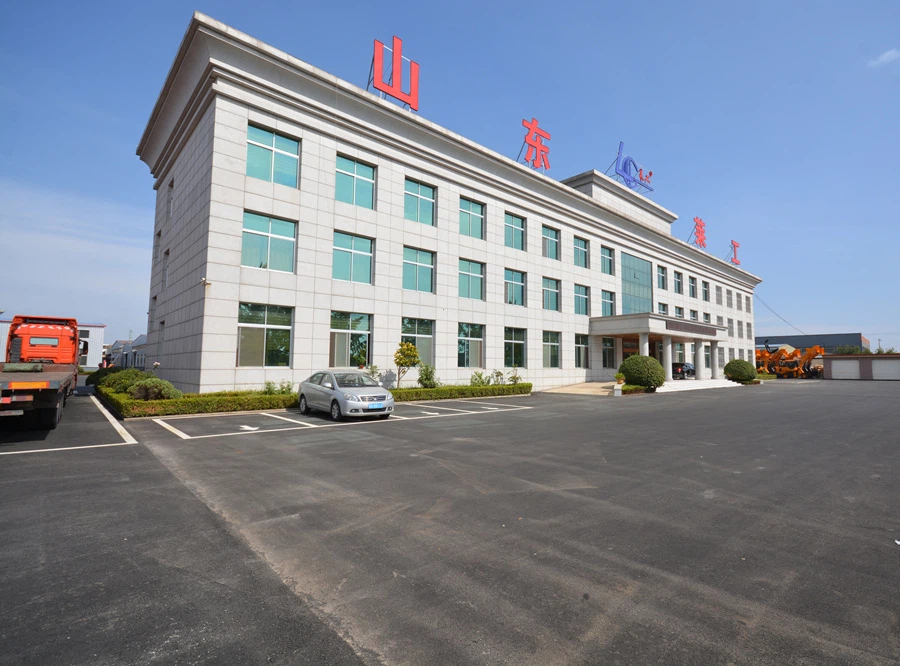
Our main products range are mini wheel loader, mini excavator, self-loading mixer, dumper and tricycles. To fit the demands of our dealers and customers, we also extended our product range to CE wheel loader, telescopic loader, backhoe loader, big excavator in 2020. As a famous brand and top 5 sales quantities in our industry, Laigong products served over 200,000 users both at home and abroad. Till end of May, 2020, Laigong has over 400 dealers in China domestic and over 20 dealers in Russia, South East Asia, Central Asia, Europe, South America, Africa etc.

Ultimate FAQ Guide to Backhoe Loader
As one of the leading backhoe loader manufacturers and suppliers in China, we warmly welcome you to buy durable backhoe loader for sale here from our factory. All customized products are with high quality and competitive price.
backhoe loader hydraulic arm 8 ton, backhoe loader