






Why Choose Us
Professional Technical Team
Relying on the mature experience of more than 40 years of engineering machinery manufacturing of our team, Laigong has established and passed the ISO9001 international quality system certification, ISO14001 environmental certification, CE, EAC, SGS, and has independent research and development capabilities of high-tech products.
Our Products
Our main products range are mini wheel loader, mini excavator, self-loading mixer, dumper and tricycles. To fit the demands of our dealers and customers, we also extended our product range to CE wheel loader, telescopic loader, backhoe loader, big excavator in 2020.
Production Market
As a famous brand and top 5 sales quantities in our industry, Laigong products served over 200,000 users both at China and abroad. Till end of 2023, Laigong has over 400 dealers in China domestic and over 80 dealers in Russia, South East Asia, Central Asia, Europe, South America, Africa etc. The annual export of machinery exceeds 40000 units.
Excellent Customer Service
We provide long-term consultation as well as warranty by our highly competent and skilled technical personnel. Consistent administration of users' files, and friendly, patient and attentive technical consultancy is our promise. Users' training sessions and symposiums are conducted on a regular basis.
What is Concrete Mixer Truck
A concrete mixer or truck mixer is a large vehicle that is designed to mix and transport concrete from one location to another. These trucks are commonly used in the construction industry for a variety of projects, including the construction of buildings, bridges, and roads. The use of concrete mixer trucks has revolutionized the construction industry, making it easier and more efficient to transport and mix large quantities of concrete.


Advantages of Concrete Mixer Truck


Improved Efficiency and Productivity
One of the most significant advantages of using a concrete mixer truck is improved efficiency and productivity. With a mixer truck on site, you can save time and effort by eliminating the need for manual mixing methods. The truck can mix large amounts of concrete in a single load, which means you can get the job done quicker and move on to the next project faster. This can help you complete more projects in less time, increasing your overall productivity and profitability.
Consistent Concrete Quality
Another major advantage of using a concrete mixer truck is that it helps ensure consistent concrete quality. The mixer blades inside the drum rotate at a set speed, which ensures that all of the ingredients are evenly mixed. This means you'll get a consistent batch of concrete every time, which is essential when working on a large construction project where quality is vital. Consistent concrete quality can also help you avoid costly mistakes and rework, saving you time and money in the long run.
Reduced Labor Costs
Using a concrete mixer truck can also help reduce labor costs. By eliminating the need for manual mixing and transporting the concrete, your crew can focus on other tasks, allowing you to get more done with the same number of workers. This can lead to cost savings and increased profitability for your business. Additionally, the use of a concrete mixer truck can help reduce the risk of worker injuries, which can result in costly medical bills and lost productivity.
Enhanced Jobsite Safety
Concrete mixer trucks also offer enhanced jobsite safety. With the concrete being mixed and transported in a single vehicle, there's less risk of accidents or injuries that can occur when manually transporting the material. Additionally, a concrete mixer truck helps limit the amount of dust and debris on the job site, which can lead to a safer and more comfortable work environment. The use of a mixer truck can also help reduce noise pollution, which can be a concern in residential areas.
Environmental Benefits
Concrete mixer ready mix concrete trucks or cement trucks can also offer environmental benefits. By using a mixer truck, you can reduce the amount of waste generated on the job site. The truck can mix only the amount of concrete needed, reducing the risk of overproduction and waste. Additionally, the use of a mixer truck can help reduce the carbon footprint of your project by reducing the number of trips required to transport the concrete to the job site.
Types of Concrete Mixer Truck
Standard Concrete Mixer Trucks
Standard concrete trucks are the most common type of mixer truck used in the construction industry. These vehicles typically are six-axle trucks that have a drum capacity of between 8 and 12 cubic yards and are used for a wide range of applications, from small residential projects to large commercial construction sites. They are designed to transport premixed concrete from a batching plant or production facility to the construction site, where the concrete is then discharged from the drum and used for the project.
Volumetric Concrete Mixer Trucks
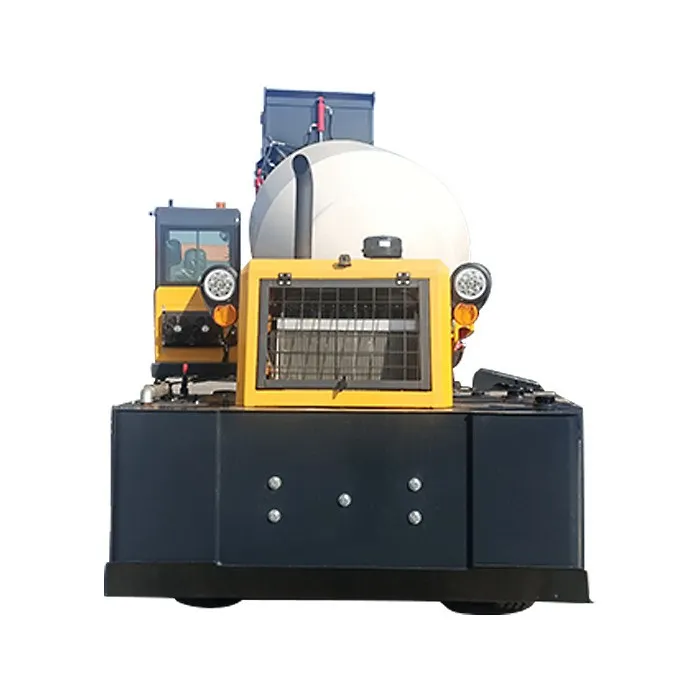
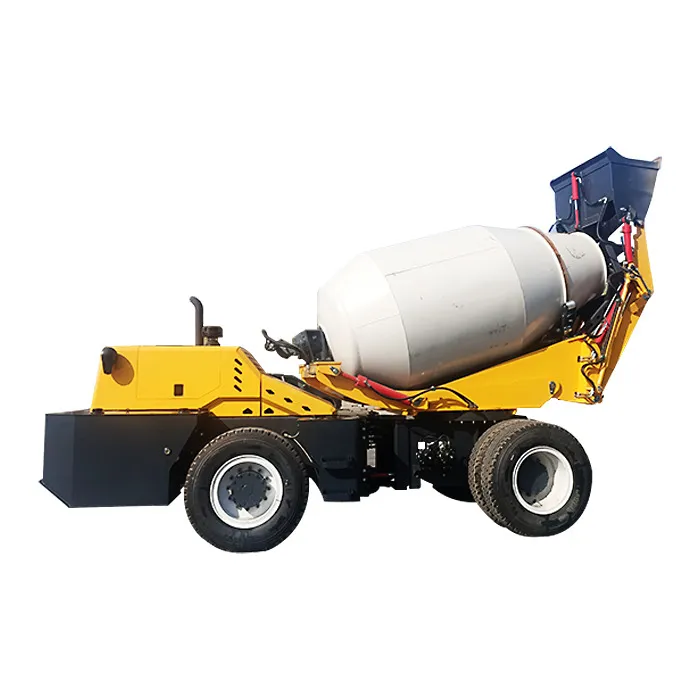
Volumetric concrete mixer trucks are a newer type of mixer truck that is gaining in popularity. These vehicles have a unique design that allows them to mix and transport concrete on the job site. Unlike standard mixer trucks, which are designed to mixers transport premixed concrete, volumetric mixer trucks have separate compartments for the various ingredients used to make concrete. These ingredients are mixed on the job site, allowing for greater flexibility and control over the mixing process.
Specialized Concrete Mixer Trucks
Specialized concrete mixer trucks are designed for specific applications, such as transporting shotcrete or high-strength concrete. These vehicles often have unique features and capabilities that enable them to handle these specialized materials safely and efficiently. Shotcrete mixer trucks, for example, are designed to transport and mix shotcrete, a type of concrete that is sprayed onto surfaces using compressed air. These vehicles typically have a smaller drum capacity than standard mixer trucks, as shotcrete is mixed in smaller batches. They are also equipped with specialized equipment, such as spray nozzles in transit mixers and air compressors, that are necessary for the shotcrete application process.
Application of Concrete Mixer Truck
Residential Construction Projects
Concrete mixer trucks are commonly used for residential construction projects, such as building foundations, patios, and driveways. With a mixer truck on site, you can quickly and easily mix and transport the concrete needed for the project, making it a more efficient and cost-effective option.
Commercial Construction Projects
Concrete mixer trucks are also commonly used for larger commercial construction projects, such as building parking structures and high-rise buildings. With a mixer truck on site, you can ensure a consistent supply of quality concrete, allowing you to keep the project moving and on schedule.
Infrastructure Development
Concrete mixer trucks are essential for infrastructure development projects, such as building highways, bridges, and other transportation structures. With the ability to mix and transport concrete quickly and efficiently, these vehicles are vital for completing these types of large-scale projects on time and budget.

The way that loading a concrete mixer truck works is relatively simple. Once the concrete mix has been loaded into the drum, the mixer blades will begin to rotate, evenly mixing the cement, sand, and water. As the drum spins, the concrete is transported to the job site where it can be poured directly into the forms. Once the concrete has been poured, the truck can return to the batching plant to be refilled with a new batch of concrete, ready for the next pour.
Concrete mixer trucks come in a variety of sizes and configurations, with some trucks capable of carrying as much as 11 cubic yards of concrete. The size of the concrete delivery truck will depend on the specific needs of the project, with larger projects requiring larger trucks. The use of concrete mixer trucks has become an essential part of the construction industry, helping to streamline the process of mixing and transporting concrete.
Engine and Transmission Inspections
Engine and transmission inspections are important parts of regular concrete mixer truck service. These inspections typically involve checking the engine oil, transmission fluid, and all filters to ensure they are clean, full, and not contaminated. Additionally, the spark plugs must be cleaned or replaced as needed and belts should be checked for wear or fraying. Technicians should also inspect the fuel lines, hoses, wires, and other components of the engine/transmission systems to ensure they're in working order. Any signs of corrosion or leaks should be addressed immediately before they cause further damage. Regularly inspecting the engine and transmission is key to extending the life of these components as it can identify potential problems before they become major issues.
Brake System Checks
Mixer trucks require frequent inspections of their brakes, including - but not limited to - checking for wear or damage to the:
● Pads
● Rotors
● Calipers
● Hoses
● Lines
It’s also important to inspect the master cylinder and check if there are any leaks or other problems within the system. Inspecting the parking brake cable and linkage should be done regularly.
Regular brake fluid flushes are also essential in order to prevent any build-up of moisture or contaminants that may lead to corrosion within the system. Brake pads should be replaced as needed depending on the specific brake pad material used.
Visually inspect all components of the braking system at least twice per year, or more frequently if advised by the technician and if the truck is driven in adverse conditions.
Tire Maintenance and Rotation
Tire wear can vary significantly depending on the number of hours that are driven daily, as well as the road conditions. Uneven tire wear can be an indicator of misaligned steering components or suspension that needs to be inspected and possibly serviced by a professional. Regularly rotating tires should also be done in order to maximize their life and maintain even tread wear. Additionally, inflating tires to their recommended pressures will help with fuel efficiency and braking performance.
Lubrication and Fluid Level Checks
The operator should create and follow a regular concrete truck maintenance schedule to ensure that all necessary lubrication and fluid levels are checked routinely. The engine, transmission, hydraulic system, differential, and brakes should be regularly checked to make sure they have the correct amount of oil or other fluids. If any parts require additional lubrication or fluids, this should be done immediately so the parts remain in proper working order.
Basic Setup of a Concrete Mixer Truck
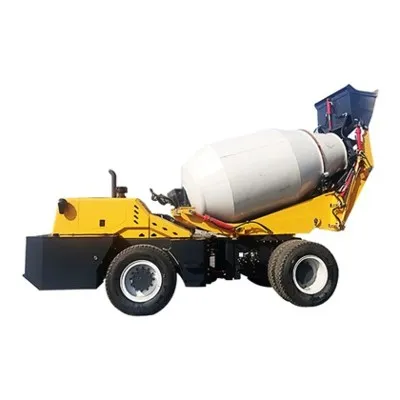
Axles and Their Role
Multiple axles are a key feature in concrete mixer trucks. They serve to evenly distribute the weight of the concrete, aligning with road load regulations. With up to six axles positioned behind the cab in some models, the addition of air brakes boosts steering, improving manoeuvrability on all types of surfaces.

Engine and Power
The essence of a concrete mixer truck is its engine. With power ranging from 250 to 300 horsepower, some models sport engines surpassing 400 horsepower to tackle heavy-duty tasks. Renowned manufacturers, such as Cummins or Caterpillar, supply diesel engines for their impressive torque at low RPM, ideal for heavy loads. These engines generate 1,000 to 3,000 foot-pounds of torque, critical for operational proficiency under heavy loads.

Mixing Drum Mechanics
The rotating motion of the mixing drum is crucial to prevent concrete from setting during transportation. While most trucks accommodate 11 to 15 cubic yards of concrete, weight constraints in some regions limit this to 8 to 11 cubic yards. The drum’s design features an internal turbine and spiral blade, which guarantees a uniform mix through constant rotation. This mechanism is the cornerstone of a cement mixer’s function, ensuring concrete quality when reaching the job site.
How is a Concrete Mixer Truck Filled?
Adding Water
To start, we add water, typically half the needed amount, into the mixer truck. This is crucial to dissolve the cement and kickstart the mixing. Water also lowers dust and stops the mix from clumping too early.
Adding Cement
Then, we add cement bit by bit while the drum is spinning. This gradual approach lets the water and cement mix well and coat the aggregates thoroughly. The risk of creating a mix that’s not uniform is lessened this way.
Incorporating Aggregates and Sand
We follow by adding aggregates and sand gradually as the drum rotates. This mixing method as they’re added prevents clumping and early hardening. It ensures a consistent, ready-to-use mix for building work. Typically, we add the aggregates first, then the sand, and finally the rest of the water. This order is crucial in making sure the mix is both manageable and durable, fit for construction needs.
Factors to Consider When Searching for the Best Concrete Mixer Truck
The durability and longevity of a concrete mixer truck heavily depend on the quality of materials used in its construction. Opting for trucks built with high-grade steel and robust components ensures longevity and resilience against wear and tear.
The mixing capacity of a concrete mixer truck determines its ability to handle different batch sizes efficiently. It's essential to choose a truck with adequate mixing capacity to meet the specific requirements of your projects while ensuring consistent and uniform concrete quality.
Powerful engines equipped with advanced fuel-saving technologies not only enhance performance but also contribute to cost savings in the long run. When selecting a concrete mixer truck, consider models with efficient engines that strike a balance between power and fuel economy.
The maneuverability of a mixer truck is crucial for navigating through construction sites with ease, especially in tight or congested spaces. Assess the size and turning radius of the truck to ensure compatibility with the job site's layout and accessibility.
Investing in a concrete mixer truck with minimal maintenance requirements and excellent durability can save both time and money over its lifespan. Choose trucks from reputable manufacturers known for their reliability and after-sales support.
Operating Safety Guidelines of Concrete Mixing Trucks
Vehicle Inspection Checklist
Before operating a concrete mixing truck, a comprehensive pre-operational inspection is crucial. This includes checking the vehicle’s brakes, tires, lights, and horn, as well as ensuring the mixer drum and other operational controls are in good working order. Inspecting for any leaks, damages, or wear and tear is also essential. This systematic approach helps identify potential issues that could lead to malfunctions or accidents during operation.
Safety Equipment Verification
Ensuring that all safety equipment on the truck is present, accessible, and in working condition is a key part of pre-operational procedures. This includes verifying the availability and functionality of fire extinguishers, first-aid kits, emergency response tools, and any personal protective equipment (PPE). Regular checks guarantee that, in the event of an emergency, the necessary tools are at hand and operational, providing an additional layer of safety for the operator and others.
Mixer Drum and Control Systems
Operators must have a thorough understanding of the mixer drum mechanics, including how it operates during the loading, mixing, and unloading phases. Knowledge of the control systems that operate the drum, such as how to adjust its speed and direction, is crucial. This understanding helps in maintaining the quality of the concrete, preventing spills, and ensuring overall operational safety.
Hydraulic and Electrical Systems
Familiarity with the truck’s hydraulic and electrical systems is essential for identifying and addressing potential issues. Operators should understand how the hydraulic system powers the mixer drum and controls and how the electrical system affects the truck’s operational capabilities. Basic troubleshooting skills for these systems can help prevent or quickly address malfunctions, reducing downtime and potential hazards.
Calculating Safe Load Limits
Understanding and adhering to the truck’s safe load limits is crucial for preventing accidents due to overloading. Overloading can affect the vehicle’s stability and maneuverability, increasing the risk of rollovers or mechanical failures. Operators should calculate the weight of the concrete mix and ensure it does not exceed the truck’s maximum load capacity, taking into account the weight of water and aggregates.
Steps for Safe Unloading
Safe unloading procedures involve positioning the truck on stable, level ground to prevent tipping. Operators should control the speed and direction of the mixer drum to ensure a smooth, controlled flow of concrete. They should also be aware of their surroundings to avoid accidents with workers or structures near the unloading area.
Our main products range are mini wheel loader, mini excavator, self-loading mixer, dumper and tricycles. To fit the demands of our dealers and customers, we also extended our product range to CE wheel loader, telescopic loader, backhoe loader, big excavator in 2020. As a famous brand and top 5 sales quantities in our industry, Laigong products served over 200,000 users both at home and abroad. Till end of May, 2020, Laigong has over 400 dealers in China domestic and over 20 dealers in Russia, South East Asia, Central Asia, Europe, South America, Africa etc.


Ultimate FAQ Guide to Concrete Mixer Truck
As one of the leading concrete mixer truck manufacturers and suppliers in China, we warmly welcome you to buy durable concrete mixer truck for sale here from our factory. All customized products are with high quality and competitive price.
concrete mixer truck, automatic output turbo engine concrete mixer truck, automatic output concrete mixer truck